
Ingredients
About ingredients effects

Deer Antler
Studies in modern medical science have shown that the active components of deer antler velvet are complex, primarily including polypeptides, amino acids, trace elements (such as zinc and iron), sex hormone analogs, prostaglandins, polysaccharides, and vitamins. These components may influence the body through the following pathways .
As described below :

Effects on the Reproductive System
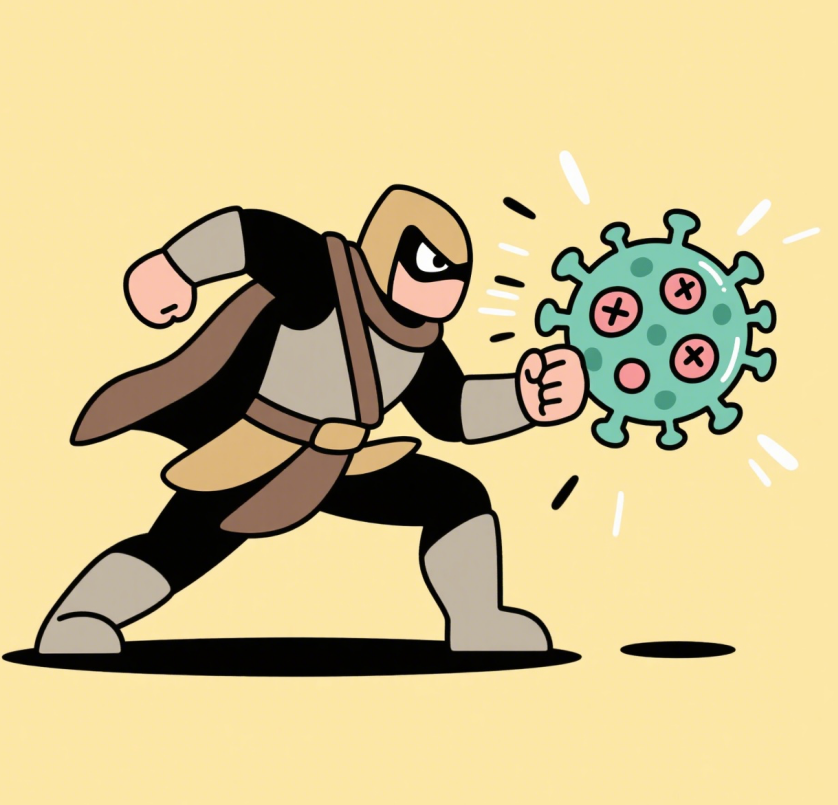
Immune System Enhancement
Polysaccharides and polypeptides in deer antler velvet may activate immune cells (such as T cells, B cells, and macrophages), promote cytokine secretion, and enhance the body’s anti-infection and anti-tumor capabilities. Research indicates that deer antler velvet extracts can increase antibody levels in immune-compromised animal models and alleviate immune suppression.

Anti-Fatigue and Energy Metabolism Regulation
Deer antler velvet may improve muscle endurance and anti-fatigue capacity by promoting mitochondrial function and increasing ATP synthesis. Its amino acids (such as lysine and arginine) participate in protein synthesis, accelerating physical recovery.
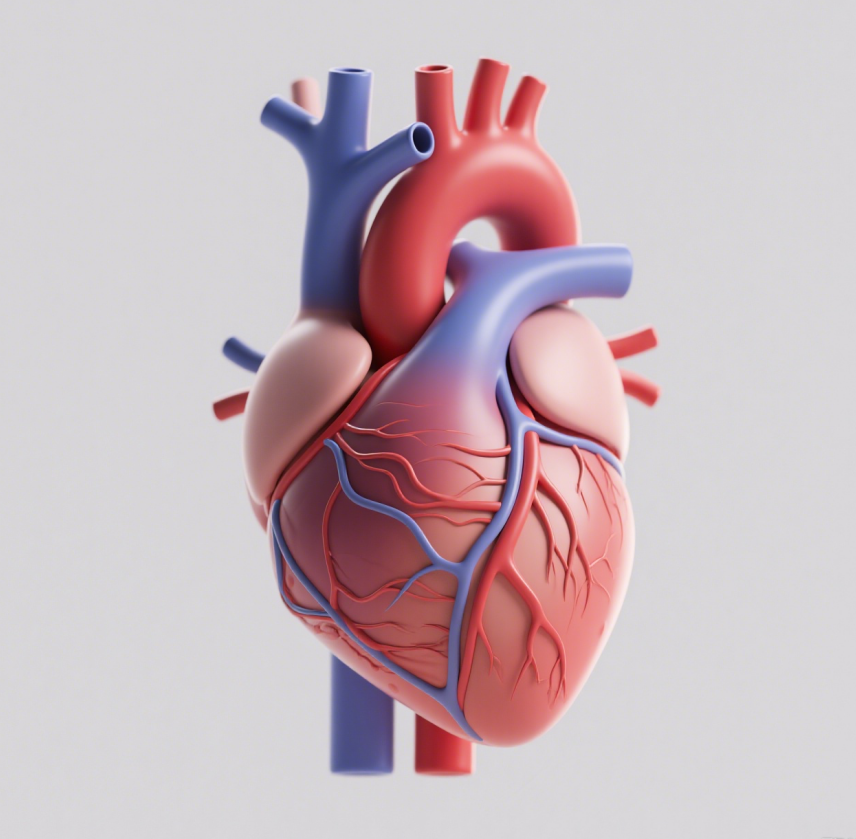
Effects on the Cardiovascular System
Some components may dilate blood vessels and lower blood pressure (e.g., pilose antler essence mildly inhibits angiotensin-converting enzyme). However, high doses may increase blood pressure due to sodium content or sympathetic nerve stimulation (caution is advised in patients with hypertension). Bidirectional regulation of heart rate and myocardial contractility has been observed, potentially related to dosage.
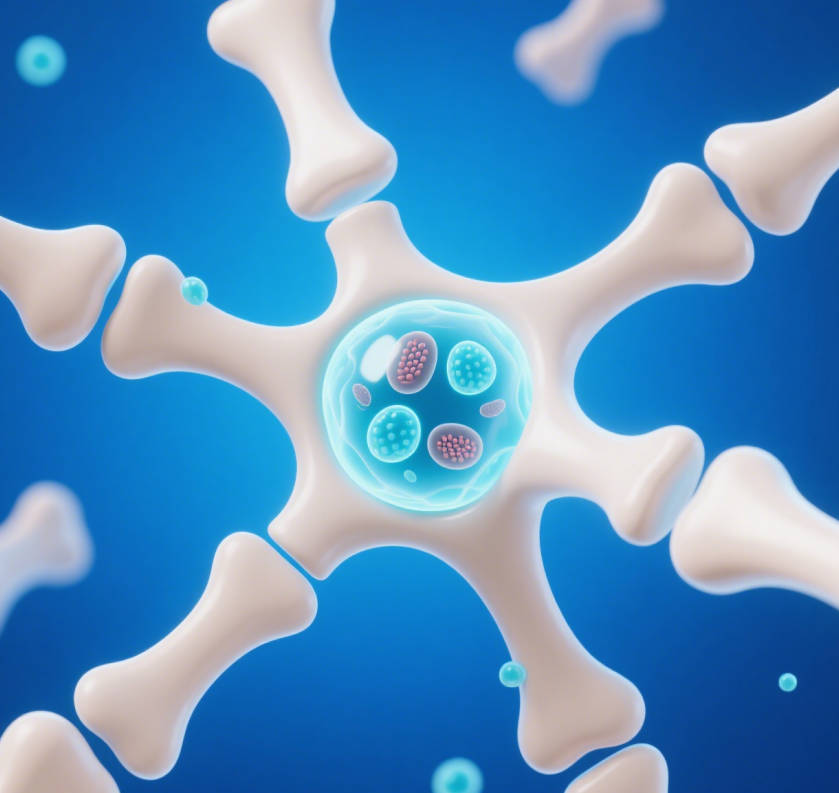
Promotion of Bone Growth and Repair
Growth factors in deer antler velvet (such as insulin-like growth factor 1, IGF-1) may stimulate osteoblast activity and inhibit osteoclasts, thereby promoting bone matrix synthesis and preventing osteoporosis. Its traditional use in fracture rehabilitation may be related to its role in promoting callus formation.
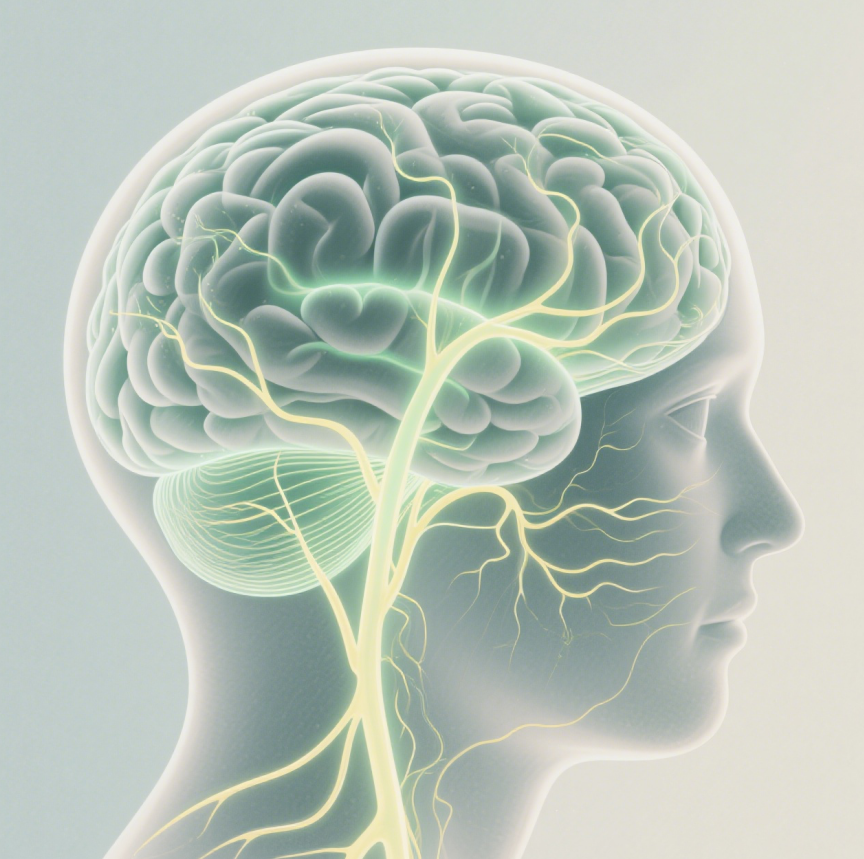
Neuroregulatory Effects
Deer antler velvet extracts may influence the central nervous system, exerting sedative or excitatory effects depending on the dosage. Traditionally, it has been used to improve neurasthenia, insomnia, and memory loss. Some components may also protect nerve cells and delay neurodegenerative processes (e.g., potential protective effects observed in Alzheimer’s disease models).